Cyber threats are no longer random or rare. They are targeted, automated, and designed to exploit the weakest point in any system, which is usually user access. This is why multi factor authentication has become essential for modern businesses. If you are still relying on passwords alone, your organisation is exposed to unnecessary risk.
For companies like WhizzIT, helping businesses secure their systems with practical and reliable solutions is now a core part of staying operational and competitive.
What Is Multi Factor Authentication
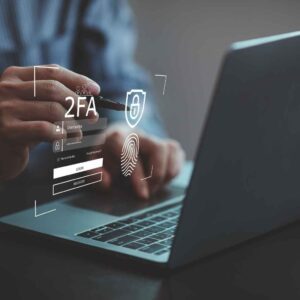
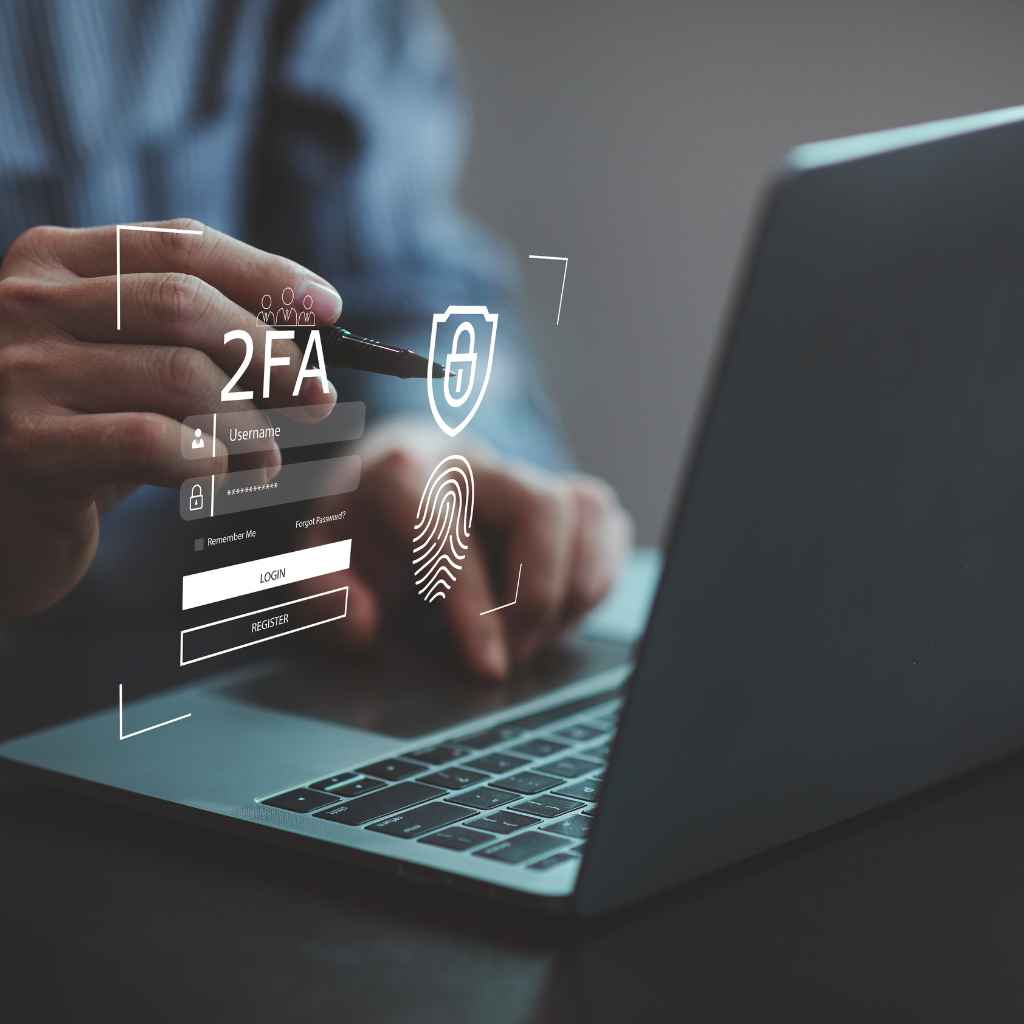
Multi factor authentication is a security process that requires users to verify their identity using more than one method before gaining access to systems or data. Instead of relying on a single password, it adds extra layers of protection.
In simple terms, it works by combining different types of authentication. These usually fall into three categories. Something you know, such as a password or PIN. Something you have, such as a mobile device or security token. Something you are, such as a fingerprint or facial recognition.
When these factors are combined, it becomes significantly harder for attackers to gain access, even if one layer is compromised. This approach strengthens login security and reduces the chances of unauthorised access.
Why Password Only Security Is No Longer Enough
Passwords were once considered sufficient, but that is no longer the case. The rise of cyber threats has exposed the limitations of password based security.
Attackers now use automated tools to carry out credential stuffing and brute force attacks at scale. If a password is weak, reused, or leaked in a data breach, it can be exploited quickly. Many businesses underestimate how easily credentials can be stolen through phishing emails or malicious websites.
Credential theft remains one of the most common causes of data breaches. Once attackers gain access to login details, they can move freely within systems. This can lead to data loss, financial damage, and disruption to operations.
Relying on passwords alone creates a single point of failure. Multi factor authentication removes that weakness by adding an extra verification step.
Key Benefits of Multi Factor Authentication
One of the main advantages of multi factor authentication is enhanced security. By adding additional layers, it blocks unauthorised access even when login credentials are exposed.
It also reduces the risk of breaches. Many large scale cyber incidents could have been prevented with proper authentication controls in place. By requiring more than one factor, businesses can significantly lower their attack surface.
Protection against phishing is another major benefit. Even if an employee unknowingly shares their password, the attacker still cannot gain access without the second verification step.
Stronger access control is also achieved. Businesses can control who accesses sensitive systems and ensure that only verified users are allowed entry. This is particularly important for cloud platforms, internal systems, and remote access.
Why MFA Is Critical for UK Businesses
Cyber attacks in the UK continue to increase, affecting businesses of all sizes. From small firms to large organisations, no one is immune. The shift towards remote working has also introduced new risks, as employees access systems from different locations and devices.
With more data stored in cloud environments, securing user access has become a priority. Without proper authentication, sensitive information is at risk of exposure.
Compliance requirements are another reason why multi factor authentication is essential. Many UK security frameworks now expect businesses to implement stronger authentication methods. Failing to do so can affect certifications, contracts, and even insurance coverage.
For businesses working with IT providers like WhizzIT, implementing secure access controls is a practical step towards meeting these expectations and protecting long term operations.
Common Types of MFA Methods
There are several types of multi factor authentication methods available, each offering different levels of security.
SMS codes are one of the most common options. A one time code is sent to a mobile phone, which the user must enter to complete login. While easy to use, this method can be vulnerable to interception.
Authenticator apps provide a more secure option. These apps generate time based codes that refresh every few seconds, making them harder to exploit.
Biometric authentication uses physical characteristics such as fingerprints or facial recognition. This method is both secure and convenient, as it is tied directly to the user.
Hardware tokens are physical devices that generate secure login codes. These offer a high level of protection and are often used for critical systems or administrative access.
Choosing the right method depends on the level of security required and how the system is used.
MFA vs Two Factor Authentication
Multi factor authentication and two factor authentication are often used interchangeably, but they are not exactly the same.
Two factor authentication uses two separate verification methods. Multi factor authentication can use two or more factors, offering greater flexibility and stronger protection.
In most business environments, using multiple authentication factors provides better coverage against different types of cyber threats. The decision depends on the level of risk and the systems being protected.
Real World Use Cases of MFA
Multi factor authentication is used across a wide range of business applications.
Employee login security is one of the most common use cases. It ensures that only authorised staff can access company systems and data.
Cloud systems rely heavily on secure authentication. Platforms used for email, storage, and collaboration must be protected to prevent data breaches.
Financial systems also require strong access control. Payments, transactions, and sensitive financial data must be secured to prevent fraud.
Administrative access is another critical area. Accounts with elevated permissions should always have the highest level of protection, as they can control entire systems.
Challenges of Implementing MFA
Despite its benefits, implementing multi factor authentication can present challenges.
User friction is one of the main concerns. Some employees may find additional login steps inconvenient, especially if not implemented properly.
Cost can also be a factor, particularly for businesses introducing new tools or upgrading existing systems. However, this cost is often lower than the potential impact of a security breach.
Setup complexity can create delays if systems are not configured correctly. Businesses may struggle with integrating authentication methods across different platforms.
Working with experienced IT providers such as WhizzIT can help simplify this process and ensure a smooth implementation.
Best Practices for MFA Implementation
To get the most out of multi factor authentication, businesses should follow a structured approach.
Enforcing MFA across all users is essential. Partial implementation leaves gaps that attackers can exploit.
Using strong authentication methods is equally important. More secure options such as authenticator apps or biometrics should be prioritised over weaker methods.
Regular monitoring helps identify unusual login activity and potential threats. This allows businesses to respond quickly to any suspicious behaviour.
Employee training is often overlooked but plays a key role. Staff should understand how MFA works and why it is important. This reduces resistance and improves overall security awareness.
Conclusion
Multi factor authentication is no longer an optional security feature. It is a fundamental requirement for protecting business systems, data, and operations.
As cyber threats continue to evolve, relying on passwords alone is no longer sufficient. By implementing strong authentication methods, businesses can reduce risk, improve compliance, and build trust with customers.
For organisations working with WhizzIT, securing access points through multi factor authentication is a practical step towards a more resilient and secure digital environment.
FAQs
What is MFA
Multi factor authentication is a security method that requires users to verify their identity using two or more factors before accessing systems or data.
Is MFA necessary for small businesses
Yes. Small businesses are often targeted because they have weaker security controls. MFA provides an added layer of protection that reduces the risk of cyber attacks.
How effective is MFA
MFA is highly effective. It can prevent the majority of automated attacks by adding an extra verification step beyond passwords.
What are the best MFA methods
Authenticator apps, biometrics, and hardware tokens are among the most secure options. The best method depends on your business needs and security requirements.