Introduction
Managed IT services have become a core part of how modern businesses operate. As we move into 2026, technology is no longer just a support function in the background. It plays a direct role in productivity, security, customer experience, and long term growth. From cloud platforms and remote working tools to cybersecurity and data management, businesses rely on IT systems every day to stay competitive.
Managed IT services involve outsourcing the ongoing management, monitoring, and support of your IT environment to a dedicated provider. Instead of reacting to problems when something goes wrong, businesses benefit from proactive support that keeps systems running smoothly. For many organisations, this approach removes complexity, reduces risk, and allows internal teams to focus on what matters most.
With cyber threats increasing, budgets under pressure, and technology changing faster than ever, managed IT services are becoming essential rather than optional. In 2026, businesses that want stability, flexibility, and confidence in their technology are increasingly turning to managed IT support.
Reducing Overall IT Costs
One of the main reasons businesses choose managed IT services is cost control. Managing IT internally can be expensive and unpredictable. Unexpected hardware failures, urgent repairs, or security incidents often result in unplanned spending that disrupts budgets.
Managed IT services help reduce overall IT costs by offering predictable monthly pricing. Instead of paying for individual fixes or emergency call outs, businesses benefit from a structured service that covers day to day support, maintenance, and monitoring. This makes financial planning easier and removes unpleasant surprises.
There is also a cost saving in access to expertise. Hiring and retaining in house IT specialists can be expensive, especially for small and medium sized businesses. Managed IT services provide access to a team of experienced professionals without the overheads associated with full time staff. This ensures businesses receive high quality support at a fraction of the cost.
By preventing issues before they escalate, managed IT services also reduce downtime. Fewer disruptions mean staff can work productively without delays caused by system failures or technical issues.
Improved Security and Risk Management
Security remains one of the biggest concerns for businesses heading into 2026. Cyber threats continue to evolve, becoming more targeted, automated, and difficult to detect. Ransomware, phishing, and data breaches can have serious financial and reputational consequences.
Managed IT services improve security by taking a proactive approach to risk management. Instead of relying on basic protections, businesses benefit from continuous monitoring, regular updates, and expert oversight. Potential vulnerabilities are identified early and addressed before they are exploited.
Proactive cybersecurity support includes managed firewalls, endpoint protection, secure backups, and monitoring of unusual activity. This layered approach reduces the risk of breaches and ensures systems remain protected at all times.
Managed IT providers also help businesses meet compliance requirements by keeping systems updated and secure. This is particularly important for organisations handling sensitive data, where security and reliability are essential for maintaining trust.
Enhanced IT Strategy and Support
Managed IT services go beyond fixing problems when they arise. They provide ongoing support and strategic guidance that helps businesses make better decisions about their technology.
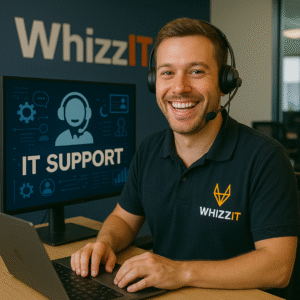
A key part of managed IT support is a reliable helpdesk. Staff have access to expert assistance whenever they experience technical issues, reducing frustration and downtime. Quick response times and clear communication ensure problems are resolved efficiently.
Beyond day to day support, managed IT services help businesses plan for the future. This includes advice on hardware upgrades, software selection, cloud solutions, and system improvements. Technology decisions are aligned with business goals rather than made in isolation.
Vendor and technology management is another important benefit. Managed IT providers handle relationships with software and hardware suppliers, ensuring systems remain compatible, supported, and up to date. This removes complexity and saves valuable time for business owners and managers.
Scalability for Growing Business Needs
As businesses grow, their IT needs change. Adding new staff, opening additional locations, or adopting new systems all place increased demands on technology. Managed IT services provide the flexibility needed to scale without disruption.
With managed IT support, businesses can easily adjust their services as requirements evolve. New users can be added quickly, systems can be expanded, and resources can be scaled up or down as needed. This ensures technology supports growth rather than holding it back.
Scalability is particularly important in uncertain economic conditions. Managed IT services allow businesses to remain agile, adapting their IT environment without committing to large upfront investments.
Whether a business is expanding its workforce, introducing new tools, or transitioning to cloud based systems, managed IT services provide the structure and expertise needed to support change smoothly.
Proactive Monitoring and Maintenance
A major advantage of managed IT services is proactive monitoring and maintenance. Instead of waiting for systems to fail, managed IT providers continuously monitor infrastructure to identify issues early.
Proactive monitoring helps detect performance problems, hardware faults, or security concerns before they impact users. Maintenance tasks such as updates, patches, and backups are carried out regularly to keep systems stable and secure.
This approach significantly reduces downtime. Systems are more reliable, and potential disruptions are addressed before they affect business operations. Staff can work with confidence, knowing that technology is being actively managed.
Regular maintenance also extends the lifespan of equipment and systems. By keeping everything updated and running efficiently, businesses get better value from their technology investments.
Conclusion
In 2026, managed IT services are no longer just a convenience. They are a practical and strategic solution for businesses that rely on technology every day. From reducing costs and improving security to supporting growth and minimising downtime, managed IT services provide clear and lasting value.
By choosing managed IT support, businesses gain access to expert guidance, proactive monitoring, and dependable assistance. This allows teams to focus on their work without being distracted by technical problems or security concerns.
As technology continues to evolve, having a trusted IT partner ensures your systems remain secure, efficient, and aligned with your business goals. Managed IT services help turn technology into a strength rather than a source of stress.
Frequently Asked Questions
What are managed IT services?
Managed IT services involve outsourcing the ongoing management and support of your IT systems to a specialist provider. This includes monitoring, maintenance, security, and helpdesk support.
Are managed IT services suitable for small businesses?
Yes. Managed IT services are particularly beneficial for small and medium sized businesses that need reliable IT support without the cost of an in house team.
How do managed IT services improve security?
They provide proactive monitoring, regular updates, and expert oversight to reduce vulnerabilities and protect against cyber threats.
Can managed IT services support business growth?
Yes. Managed IT services are scalable, allowing businesses to adapt their IT environment as they grow or change.
Do managed IT services replace internal staff?
Not necessarily. Many businesses use managed IT services to support existing teams or to handle specialist tasks, allowing internal staff to focus on core activities.
If your business is looking for reliable, straightforward IT support in 2026, managed IT services provide the structure, expertise, and peace of mind needed to move forward with confidence.