Introduction to Hybrid Working
Over the past few years, the way businesses operate has changed significantly. The traditional office based setup has evolved into a hybrid working model, where employees split their time between home and the workplace. This shift has been driven by changing expectations, advances in technology, and the long term impact of the pandemic on work culture.
Hybrid working offers flexibility and convenience, but it also introduces new challenges for businesses. With a growing remote workforce, companies must ensure that employees can access systems, communicate effectively, and remain productive regardless of location. This is where managed IT services play a vital role.
Managed IT services help businesses create a stable and secure digital environment that supports both office and remote work. By providing consistent IT support, businesses can adapt to modern working models without compromising performance or security.
Challenges of a Hybrid IT Environment
A hybrid IT environment can quickly become complex if not managed properly. Employees are no longer working from a single location, which means devices, data, and systems are spread across multiple environments.
One of the main challenges is managing distributed devices and systems. Businesses often have a mix of office desktops, company laptops, and personal devices used by employees at home. Keeping all these systems connected and secure can be difficult without a clear IT strategy.
Security risks also increase in a hybrid working model. Remote access, unsecured networks, and outdated software can expose businesses to cyber threats such as malware, phishing attacks, and data breaches. Without proper cybersecurity measures in place, sensitive business data can be at risk.
Data management is another concern. With files stored across various devices and cloud platforms, ensuring data consistency, accessibility, and protection becomes more challenging. Businesses need reliable systems to manage and protect their information effectively.
Why Managed IT Services Are Essential
Managed IT services provide businesses with the tools and expertise needed to handle the complexities of hybrid working. Instead of relying on reactive IT support, businesses can benefit from a proactive approach that keeps systems running smoothly at all times.
One of the key advantages is centralised IT management. Managed service providers monitor and manage all systems from a single point, ensuring consistency across devices and locations. This helps reduce confusion and improves overall efficiency.
A consistent IT strategy is also essential for hybrid work success. Managed IT services ensure that all employees use the same secure systems, software, and processes, regardless of where they are working. This creates a seamless experience for both staff and management.
Reducing operational risk is another major benefit. By continuously monitoring systems and addressing issues before they escalate, managed IT services help prevent downtime, data loss, and security breaches. This allows businesses to focus on their core operations without worrying about IT disruptions.
Key Ways Managed IT Services Support Hybrid Work
Securing Devices and Networks
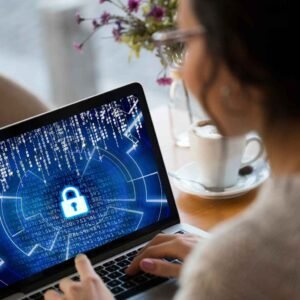
Security is one of the biggest concerns in a hybrid working environment. Employees accessing business systems from different locations can create vulnerabilities if devices are not properly protected.
Managed IT services ensure that all devices are secured with up to date antivirus software and regular patch updates. This helps protect against known threats and reduces the risk of cyber attacks.
Remote device protection is also essential. Managed IT providers can monitor devices in real time, ensuring that laptops, mobiles, and desktops are all compliant with security standards. If any suspicious activity is detected, it can be addressed quickly.
Cybersecurity management goes beyond basic protection. It includes firewalls, data encryption, and continuous monitoring to keep business systems safe. This level of security is essential for maintaining trust and protecting sensitive information.
Remote IT Support for Employees
In a hybrid working model, employees may not have immediate access to in house IT teams. This can lead to delays and frustration when technical issues arise.
Managed IT services provide remote IT support that is available whenever needed. With helpdesk support available around the clock, employees can get assistance quickly, regardless of their location.
Troubleshooting assistance ensures that issues are resolved efficiently. Whether it is a software problem, connectivity issue, or device failure, support teams can diagnose and fix problems remotely.
This level of support helps improve productivity. Employees can continue working without long interruptions, which is essential for maintaining business performance.
Proactive IT Maintenance
Maintaining IT systems across multiple locations can be challenging, especially when different devices are being used. Without regular maintenance, systems can become slow, outdated, and unreliable.
Managed IT services focus on proactive maintenance. This includes monitoring systems continuously to identify potential issues before they cause disruption.
Preventing downtime is a key benefit. By addressing problems early, businesses can avoid costly interruptions and keep operations running smoothly.
Optimising performance is also important. Regular updates, system checks, and performance tuning ensure that all devices and applications work efficiently. This helps employees stay productive and reduces frustration.
Cloud Infrastructure and Collaboration
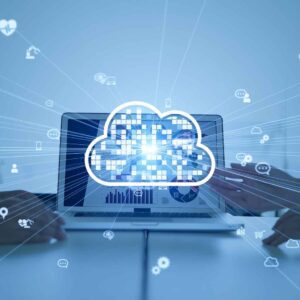
A hybrid working model relies heavily on cloud based systems. Employees need access to files, applications, and communication tools from any location.
Managed IT services help businesses implement and manage cloud infrastructure effectively. This ensures that systems are accessible, secure, and reliable.
Cloud applications allow employees to work from anywhere while maintaining access to essential tools. Integrated IT systems ensure that data flows seamlessly across platforms.
Collaboration tools such as shared workspaces and communication platforms enable teams to stay connected. This is essential for maintaining teamwork and productivity in a hybrid environment.
Data Backup and Recovery
Data is one of the most valuable assets for any business. In a hybrid working model, data is often stored across multiple devices and locations, increasing the risk of loss.
Managed IT services provide comprehensive data backup solutions. This ensures that all data is regularly backed up and can be restored if needed.
Multi device data protection ensures that information is secure, regardless of where it is stored. This is particularly important for businesses with remote teams.
Disaster recovery plans are also included. In the event of a system failure or cyber attack, businesses can quickly recover their data and resume operations. This reduces downtime and protects against financial loss.
Benefits of Managed IT Services in Hybrid Work
Managed IT services offer several benefits for businesses adopting a hybrid working model. One of the most noticeable advantages is improved productivity. Employees can work efficiently without being held back by technical issues.
Cost reduction is another key benefit. Instead of investing in large in house IT teams, businesses can access expert support at a predictable cost. This makes IT management more efficient and scalable.
Better security is essential in today’s digital environment. Managed IT services provide advanced protection against cyber threats, ensuring that business data remains secure.
Business continuity is also improved. With reliable systems, backup solutions, and proactive support, businesses can continue operating even during disruptions. This resilience is crucial for long term success.
Conclusion
The hybrid working model is now a permanent part of modern business. While it offers flexibility and efficiency, it also brings new challenges that require a strong IT foundation.
Managed IT services play a critical role in supporting hybrid work by providing security, support, and reliable infrastructure. They help businesses manage distributed systems, protect data, and maintain productivity across all locations.
At WhizzIT, we understand the importance of a proactive IT strategy in today’s working environment. By investing in managed IT services, businesses can build a secure and efficient hybrid workplace that supports growth and long term success.
FAQs
What are managed IT services
Managed IT services are outsourced IT solutions that provide ongoing support, maintenance, and security for business systems and infrastructure.
How do managed IT services support hybrid working
They provide remote support, secure devices, manage cloud systems, and ensure that employees can work efficiently from any location.
Are managed IT services suitable for small businesses
Yes, managed IT services are ideal for small and medium sized businesses as they offer expert support without the need for a full in house IT team.
What are the main benefits of managed IT services
The main benefits include improved security, reduced costs, better productivity, and reliable IT support.
Do managed IT services include cybersecurity
Yes, most managed IT services include cybersecurity features such as antivirus protection, monitoring, data encryption, and threat detection.